Thirty-six years old, a job that requires a lot of sitting, and a back that feels like an old jackknife every morning. In the Pilates class, you hear muffled breaths and that soft hissing sound on the exhale, which sounds like concentration and a hint of struggle. The participants don’t look athletic, but rather like people who at some point realized: This can’t go on.
You can immediately tell who’s new: uncertain glances, slightly hunched shoulders, and the question on their faces: „Am I in the right place, or am I too late at 36?“ The trainer smiles and gently adjusts a participant’s back. This class isn’t about performance, but about presence, about „reconnecting with your own body.“
Why Pilates suddenly makes so much sense at 36
In your mid-30s, something shifts in your body. It becomes less forgiving of things that were perfectly fine for years: nights spent on the laptop, hours-long car journeys, or lifting children. Back pain is no longer just a post-move injury, but can appear after a normal workday. And suddenly, the word Pilates comes up – gentle stretching, chic studios, „not really exercise.“

- The movements are small, but the effect is great.
- Pilates activates deeper muscles that are often ignored.
- It’s not about calories, it’s about control.
- The exercises strengthen the core and support the spine.
Why Pilates is particularly suitable for back problems
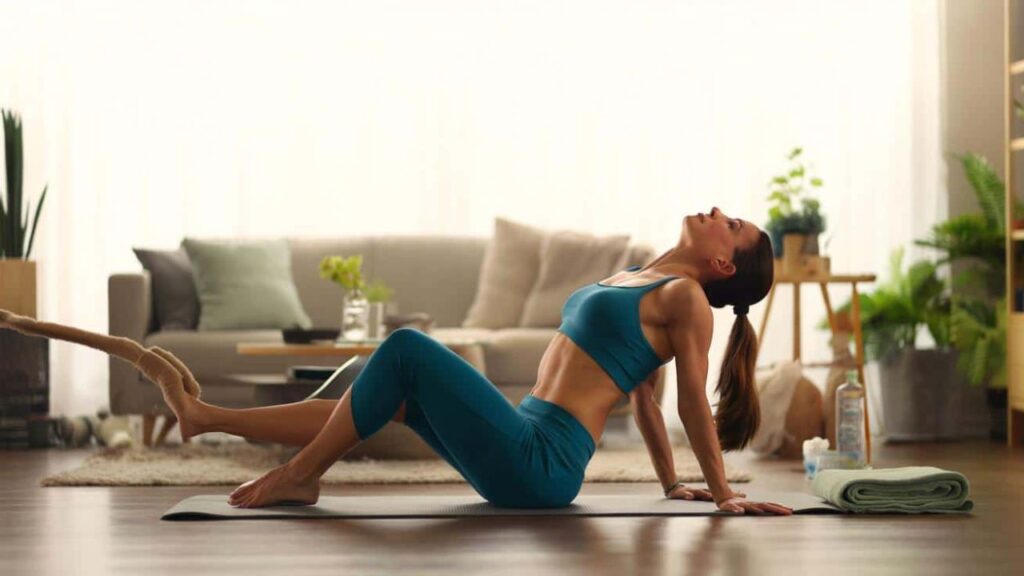
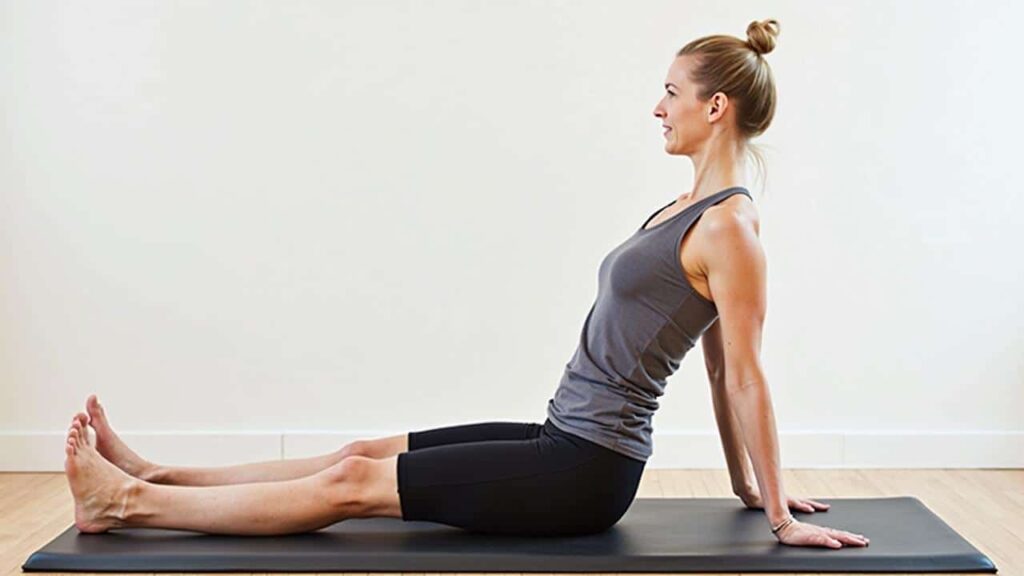
The exercises usually begin rather unspectacularly: back on the mat, feet flat on the floor, hands on the stomach. The instructor explains how to gently pull the navel inwards to activate the muscles that stabilize the spine – a „reset“ for the back.
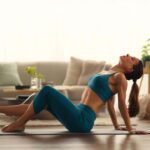 Flacherer Bauch in 3 Wochen: Diese einfache Pilates-Routine fürs Wohnzimmer rockt die Mitte
- Pilates activates the deep muscles of the body.
- The movements help to better support the spine.
- Entry is possible even with existing muscle tension.
- The exercises can be individually adapted and increase gradually.
The benefits of Pilates in everyday life
After a few weeks of Pilates, many things in everyday life suddenly change. You notice it when sitting in a meeting: you automatically adopt an upright posture. Tying your shoes becomes easier, carrying bags more consciously, and your back feels more stable.

- Improved awareness of posture in everyday life.
- More stability when sitting, standing and walking.
- A better sense of one’s own center of gravity.
- Less back pain due to stronger deep muscles.
FAQ:
- How often should I do Pilates at 36 to feel an effect? Many notice initial changes in posture and back tension after 4–6 weeks with 1–2 sessions per week. Regularity is key, not the intensity of the class.
- Is Pilates suitable for existing back pain? In many cases, yes, especially in consultation with a doctor or physiotherapist. A qualified instructor can adapt the exercises to stabilize the spine.
- Do I need any special equipment to get started? Comfortable clothing and a mat are sufficient to begin with. Small aids such as a roller, ball, or ring can be added later, but are not essential.
- How does Pilates differ from yoga for the back? Pilates focuses on the systematic strengthening of the core and stability, while yoga promotes stretching and mobility.
- Can I learn Pilates at home? Videos can be a good starting point, especially for basic exercises. However, at 36 and with back pain, it’s recommended to attend a studio or take private lessons to learn proper posture and breathing techniques.
Conclusion:
Those who discover Pilates at 36 not only change their body awareness but also strengthen their inner stability. Instead of hoping for quick results, it’s about a slow and safe process that forms the basis for a healthy back. Pilates isn’t a quick fix, but a sustainable method that many 36-year-olds find crucial for their back health and quality of life.